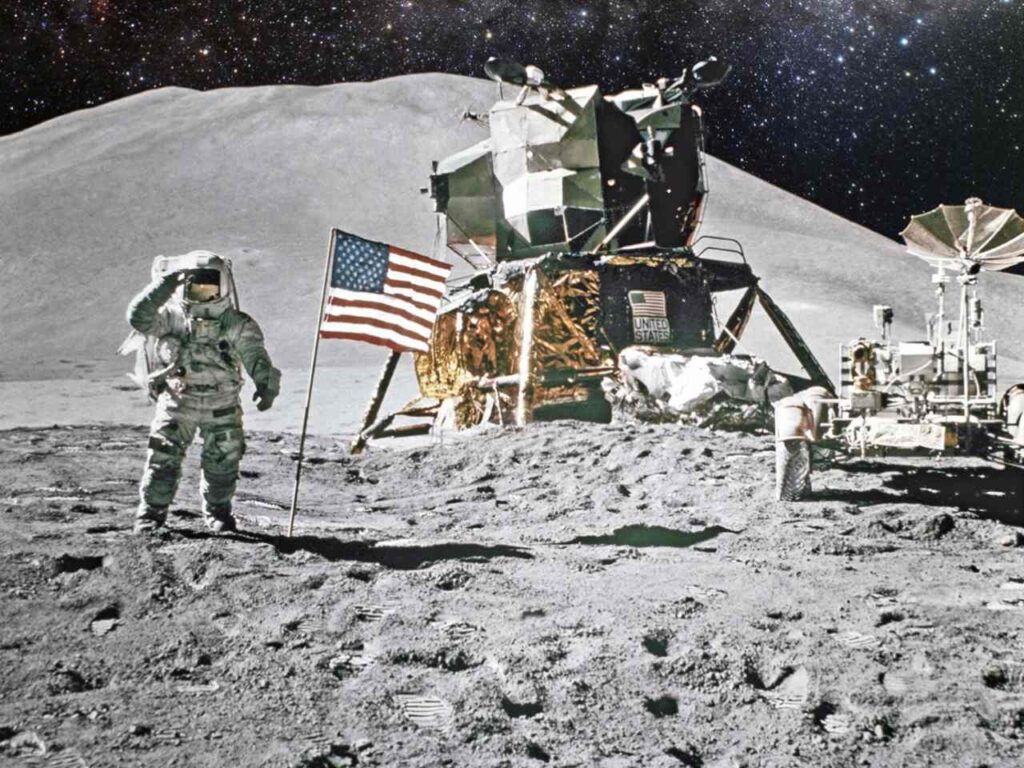
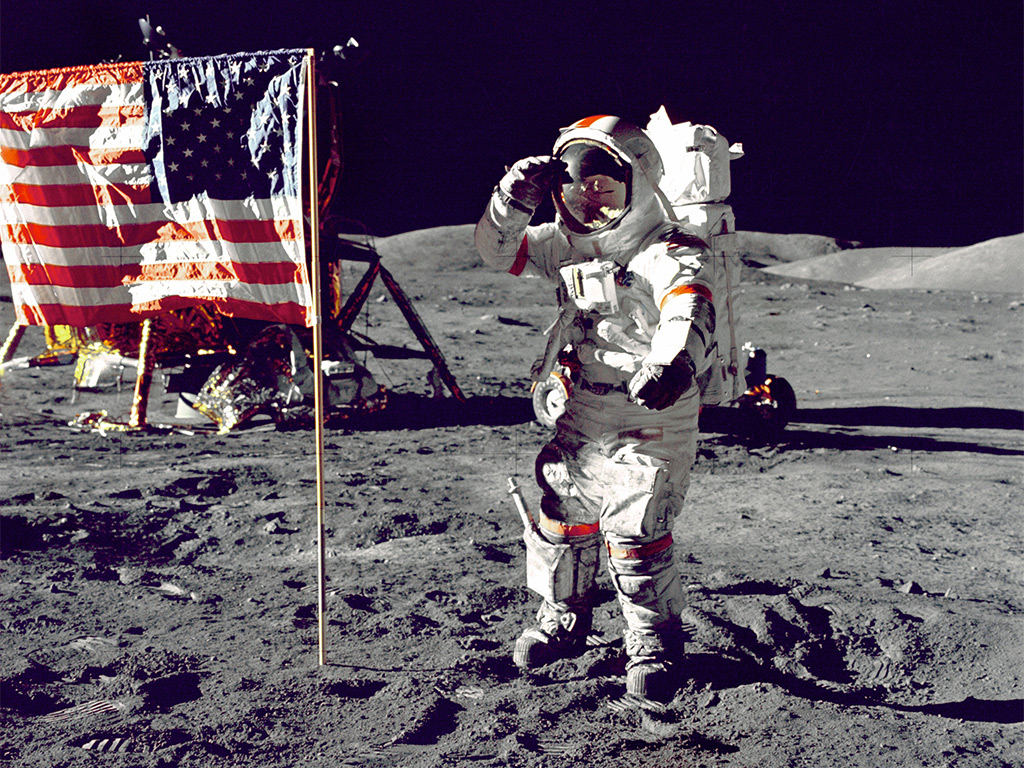
Fifty-four years ago, on July 20, 1969, two brave astronauts, Neil Armstrong and Buzz Aldrin, made history by becoming the first humans to set foot on the lunar surface. Their monumental achievement during the Apollo 11 mission remains a defining moment in human history, symbolizing the unyielding spirit of exploration and the pursuit of the unknown.
The moon landing was a triumph of science, technology, and human ingenuity. The Apollo 11 mission required years of meticulous planning, rigorous testing, and the collaborative efforts of thousands of scientists, engineers, and astronauts. It exemplified the relentless determination of humanity to push the boundaries of what seemed impossible and dared to reach for the stars.
Neil Armstrong’s famous words as he stepped onto the moon, “That’s one small step for man, one giant leap for mankind,” echoed across the globe, resonating with people from all walks of life. The moon landing inspired generations, sparking interest in space exploration, science, and innovation. It demonstrated that with courage, dedication, and a united vision, we can achieve greatness beyond our wildest dreams.
Beyond the scientific significance, the moon landing brought people together like never before. Millions around the world watched in awe as Armstrong and Aldrin planted the American flag on the moon’s surface, symbolizing the collective human spirit of unity and peace.
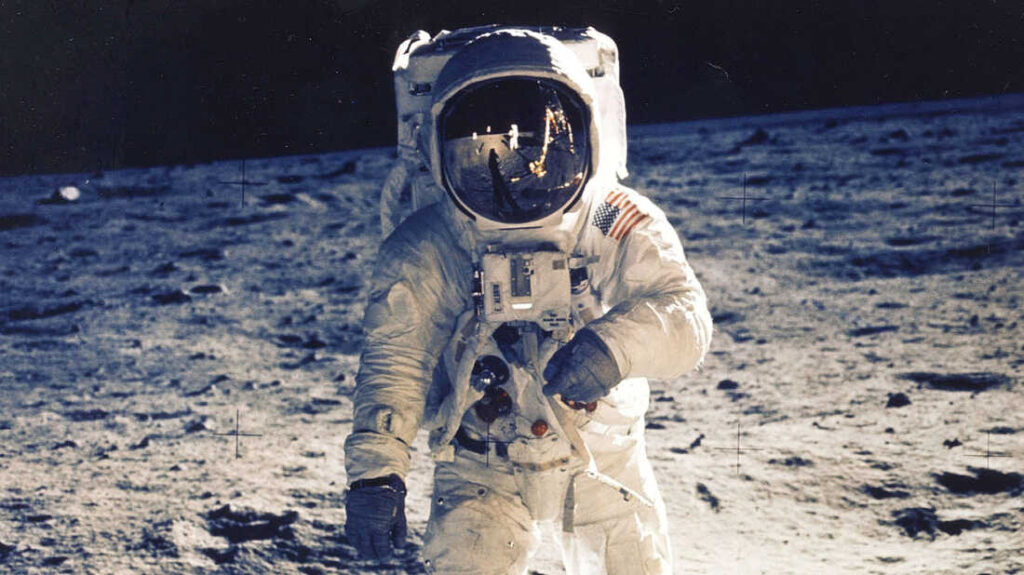
Astronaut Edwin “Buzz” Aldrin Jr. walks near the lunar module during the Apollo 11 moon landing on July 20, 1969.
The legacy of Apollo 11 extends far beyond its historical importance. The technologies developed during the space race, such as microchips, satellite communication, and advanced materials, have transformed our daily lives and shaped modern society. It serves as a reminder of what we can achieve when we embrace curiosity, invest in education and research, and prioritize collaboration over competition.
However, as we commemorate this extraordinary feat, we must not forget the sacrifices and risks undertaken by those involved in the space program. Tragically, astronauts like Michael Collins, who piloted the command module during Apollo 11, never got the chance to walk on the moon but played a vital role in ensuring the mission’s success.
As we look back on this historic event, let us rekindle the sense of wonder and curiosity that drove humanity to reach for the stars. Let us use the moon landing’s spirit of unity and exploration to tackle the challenges that lie ahead, from addressing climate change to venturing into even deeper space exploration.
The 54th anniversary of the moon landing serves as a powerful reminder that there are no limits to human potential when we dare to dream, explore, and work together for a common purpose. Let us celebrate this incredible achievement and continue to honor the legacy of those who made it possible. The moon landing was not just a victory for the United States but a triumph for all of humanity—a giant leap that will forever inspire generations to come.
As fireworks light up the night sky and the air is filled with the sounds of laughter and celebration, Americans from coast to coast come together on the 4th of July to commemorate their shared heritage and rejoice in the spirit of independence. Independence Day is a time-honored tradition that unites the nation, igniting a sense of pride that transcends individual differences and binds us as a united people.
Celebrating Freedom:
On this historic day, we commemorate the birth of the United States of America, when the Declaration of Independence was adopted in 1776. Independence Day serves as a reminder of the immense sacrifices made by our forefathers to secure our freedom and establish a nation based on the principles of liberty, equality, and justice for all.
Unity in Diversity:
As a nation of immigrants, the 4th of July serves as a powerful reminder that our strength lies in our diversity. Regardless of our backgrounds, beliefs, or ideologies, we all share the common thread of being Americans. It is a day when we set aside our differences and come together to celebrate the values that make our nation exceptional.
Reflecting on Progress:
Independence Day not only reminds us of our past struggles and triumphs but also serves as an opportunity to reflect on the progress we have made as a nation. From the Civil Rights Movement to the women’s suffrage movement, we have overcome numerous challenges and continue to strive for a more inclusive and equitable society. The 4th of July is a moment to acknowledge the strides we have taken and renew our commitment to building a better future.
Renewing Patriotism:
Patriotism runs deep in the hearts of Americans, and the 4th of July provides a platform for us to showcase our unwavering love for our country. From parades to picnics, from flag-waving to community service, Americans demonstrate their pride by actively participating in the festivities and engaging in acts of service that contribute to the betterment of our society.
Conclusion:
Independence Day, the 4th of July, serves as a powerful reminder of the values that define us as Americans. It is a day of unity, diversity, reflection, and renewal—a celebration that reminds us of the indomitable spirit that forged our nation. As we gather with loved ones and celebrate, let us remember the sacrifices of those who came before us and pledge ourselves to continue the journey towards a more perfect union. This Independence Day, let us stand united in pride, honoring our shared heritage and embracing the diversity that makes our nation strong. Happy 4th of July!
There is a lot to know about Independence Day. Test your knowledge here.
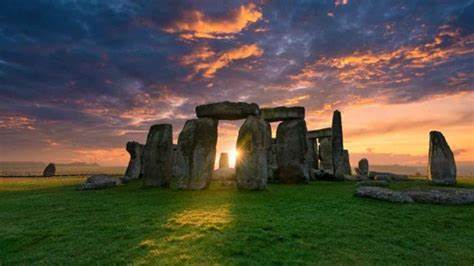
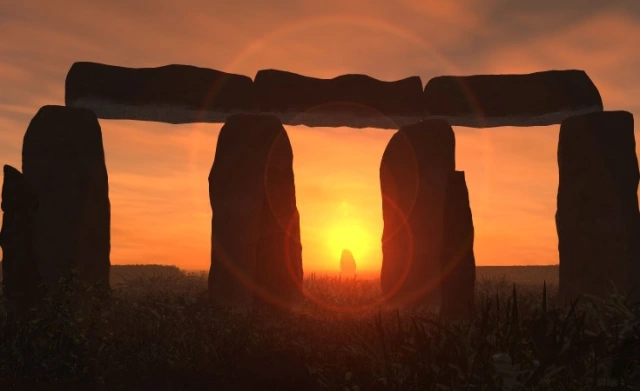
As the summer sun reaches its zenith, we celebrate the enchanting phenomenon known as the summer solstice. This annual event marks the longest day of the year and the official beginning of summer in the Northern Hemisphere. Let’s delve into the significance and magic behind this celestial occurrence.
The summer solstice, occurring on June 21st this year, is a momentous event that has captivated cultures and civilizations throughout history. It is a time when the Earth’s axial tilt is most inclined towards the sun, resulting in the longest period of daylight and the shortest night of the year.
This astronomical phenomenon holds great cultural and spiritual significance in various societies. Ancient civilizations, such as the Mayans and Druids, observed the solstice with vibrant celebrations and rituals. The sun, a symbol of life and vitality, takes center stage during these festivities.
Beyond its cultural and historical significance, the summer solstice offers us an opportunity to reconnect with nature and embrace the abundant energy of the season. It serves as a reminder to pause, reflect, and appreciate the beauty and abundance that surrounds us. It invites us to spend more time outdoors, basking in the warm rays of the sun and rejuvenating our spirits.
As we welcome the summer solstice, let us revel in the magnificence of the sun’s brilliance and the promise of long, glorious days ahead. Whether through gatherings, bonfires, or personal reflections, let us embrace this special day and honor the vitality and light that it brings to our lives. May the summer solstice inspire us to radiate our own inner light and embrace the joys of the summer season.
Juneteenth, also known as Emancipation Day or Freedom Day, holds immense significance in American history and the ongoing struggle for racial equality. Originating in Texas, it commemorates the day, June 19th, 1865, when enslaved African Americans in Galveston finally learned of their emancipation, two and a half years after the Emancipation Proclamation was signed. This day represents the belated arrival of freedom and serves as a powerful reminder of the enduring struggle for equality.
Juneteenth is a celebration of liberation, marking the end of the brutal system of chattel slavery in the United States. It symbolizes hope, resilience, and the triumph of the human spirit. On this day, African Americans honor their ancestors’ strength and sacrifice, reflecting on the progress made and the work that lies ahead.
Beyond its historical significance, Juneteenth serves as an opportunity for education and reflection. It encourages individuals to delve into the complex history of slavery, the fight for emancipation, and the ongoing struggle for civil rights. Juneteenth fosters a deeper understanding of the profound impact of slavery on generations of African Americans and the ongoing challenges they face.
Moreover, Juneteenth celebrates African American culture, contributions, and achievements. It is a time for vibrant community gatherings, parades, music, dance, and storytelling. Through cultural expressions, Juneteenth promotes unity, pride, and resilience, emphasizing the rich heritage and diverse narratives within the African American community.
In recent years, Juneteenth has gained increased recognition and momentum. Its designation as a federal holiday in 2021 marked a significant milestone in acknowledging the importance of this day for all Americans. It serves as a call to action, urging society to confront systemic racism, address social injustices, and actively work towards a more inclusive and equitable future.
Juneteenth’s significance extends far beyond its historical context. It represents the ongoing pursuit of freedom, equality, and justice. By embracing this day and its teachings, society can strive towards a more empathetic, inclusive, and equitable nation, where the scars of the past are acknowledged, repaired, and transformed into a brighter future for all.
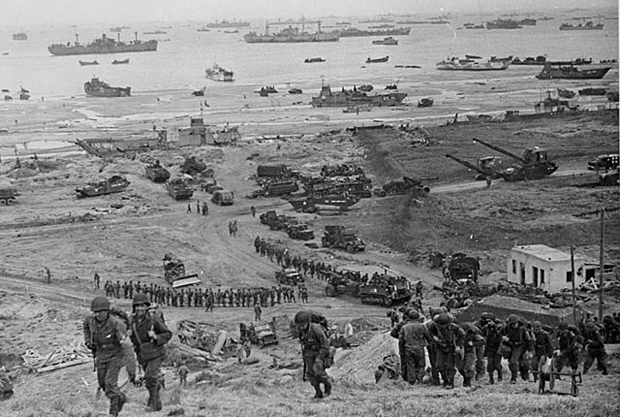
Operation Neptune, more commonly known as D-Day, stands as a significant milestone in world history. On June 6, 1944, the Allied forces launched a daring and audacious amphibious assault on the beaches of Normandy, France. The codename Neptune aptly captures the magnitude and complexity of this military operation, which aimed to liberate Western Europe from the clutches of Nazi Germany. With meticulous planning, unwavering determination, and immense sacrifice, D-Day became the largest seaborne invasion in history, forever etching its name into the annals of courage and heroism.
The strategic importance of D-Day cannot be overstated. By 1944, World War II had ravaged Europe for nearly five years, with the Axis powers tightening their grip on the continent. The Allies recognized the need for a decisive and ambitious plan to regain the initiative and establish a foothold in Western Europe. Operation Neptune emerged as the culmination of months of planning, intelligence gathering, and logistical preparations.
Led by General Dwight D. Eisenhower, the Supreme Commander of the Allied Expeditionary Force, the operation involved the coordinated efforts of approximately 156,000 troops from various nations, including the United States, United Kingdom, Canada, and other Allied forces. The invasion force was a testament to the collaborative spirit and shared commitment of nations united against tyranny.
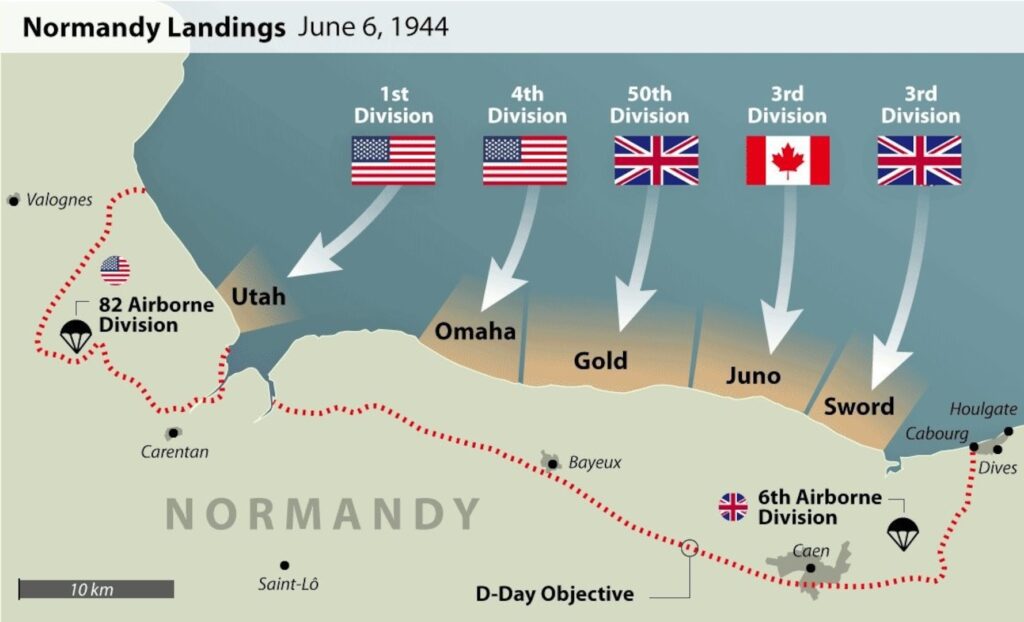
In the early hours of June 6, 1944, under the cover of darkness and amidst tumultuous weather conditions, thousands of paratroopers descended from the skies to secure key objectives inland, sabotaging German defenses and paving the way for the main assault. As dawn broke, an armada of over 6,900 naval vessels approached the Normandy coastline, braving heavily fortified German defenses and treacherous waters.
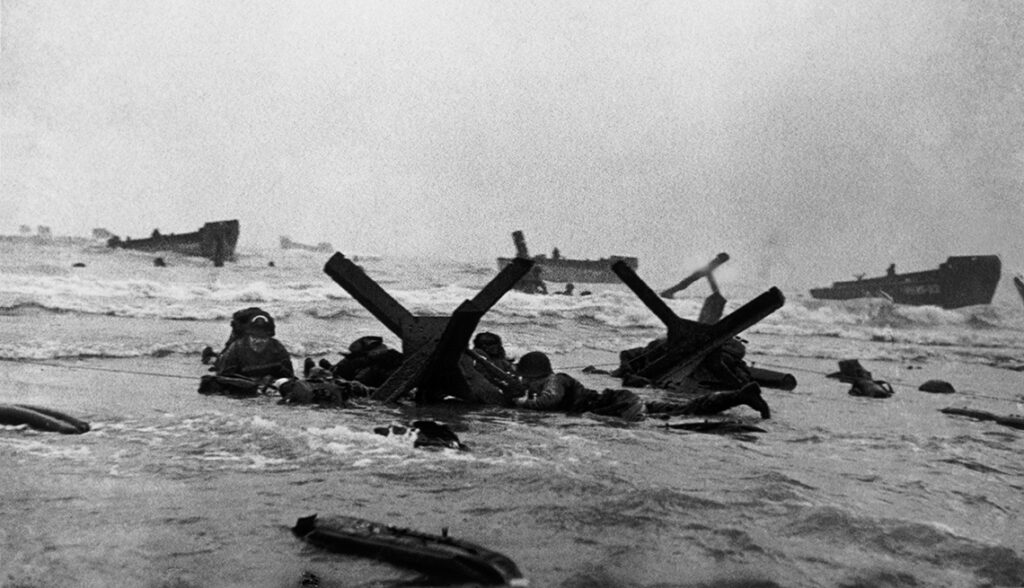
The beaches of Utah, Omaha, Gold, Juno, and Sword became the theaters of an epic struggle. The initial assault faced formidable obstacles, including fierce German resistance, fortified bunkers, and a barrage of gunfire. However, the courage, resilience, and determination of the Allied soldiers prevailed against all odds.
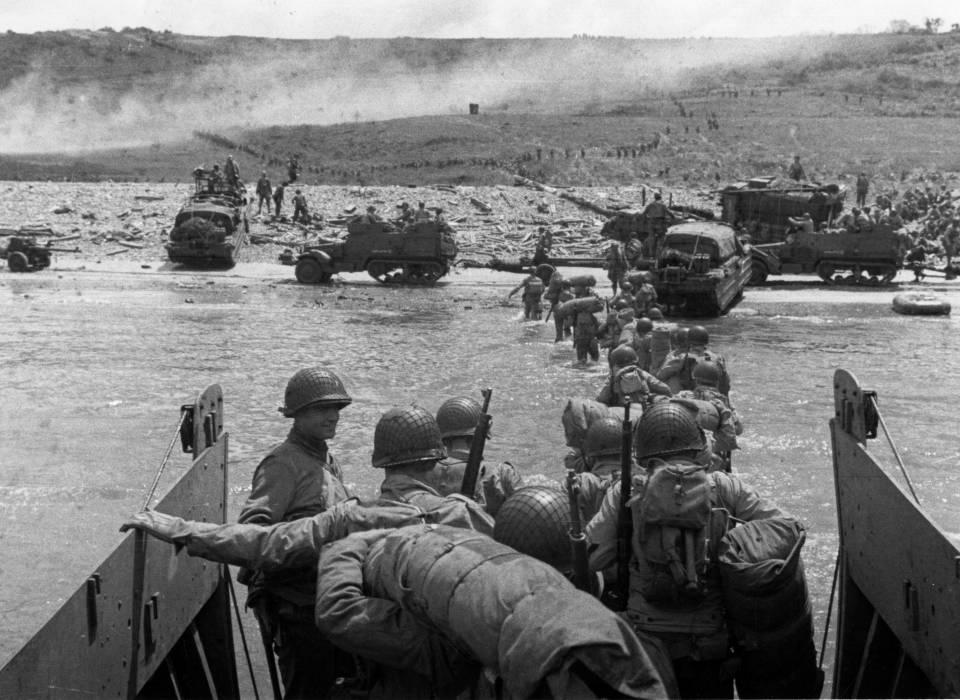
The success of D-Day hinged on the selfless sacrifice and unwavering resolve exhibited by the troops on the ground. The soldiers displayed immense bravery as they stormed the beaches, inching forward amidst heavy enemy fire, and relentlessly fighting to secure a foothold. The casualties were significant, with thousands of lives lost, but their sacrifices paved the way for victory.
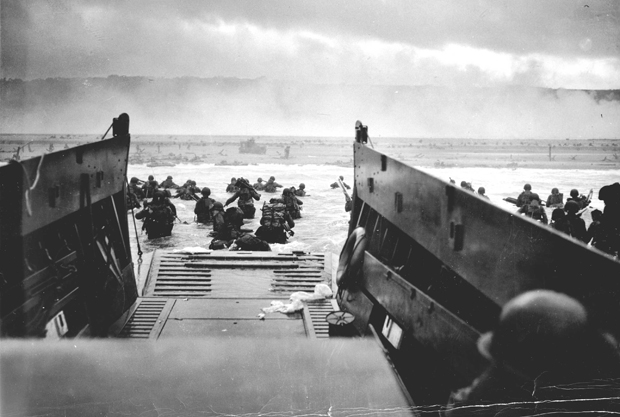
FRANCE. Normandy. June 6th, 1944. US troops assault Omaha Beach during the D-Day landings.
D-Day marked a turning point in World War II. The establishment of a secure beachhead allowed the Allies to expand their presence in Europe, ultimately leading to the liberation of France and the subsequent defeat of Nazi Germany. The Normandy invasion unleashed a torrent of momentum that eventually engulfed the Axis forces, and the tide of the war shifted irreversibly.
Beyond the military significance, D-Day serves as a symbol of courage, unity, and human resilience. The operation required the cooperation of countless individuals, from soldiers on the front lines to intelligence operatives, engineers, and support personnel. It demonstrated the triumph of collective effort over insurmountable challenges and exemplified the indomitable spirit of freedom and justice.
Today, as we commemorate the 79th anniversary of D-Day, we pay tribute to the brave men and women who risked everything for a better future. Their actions on that fateful day remind us of the immense cost of freedom and the power of determination in the face of adversity. It is our duty to honor their memory and ensure that the legacy of D-Day endures, inspiring generations to come.
US Helmet on Omaha beach .This was taken on location in Normandy France. Picture has been aged to give the feel of a vintage photograph.
In conclusion, Operation Neptune, or D-Day, stands as a testament to the human spirit and the triumph of good over evil. It was the largest seaborne invasion in history, a meticulously planned and audacious assault that changed the course of World War II
Memorial Day holds deep significance as a solemn reminder of the sacrifices made by countless men and women who laid down their lives in service to our country. It serves as an annual tribute to honor their bravery, dedication, and unwavering commitment to protecting freedom and democracy. This day provides an opportunity for us to reflect on the true cost of liberty and express gratitude to those who made the ultimate sacrifice.
Memorial Day also unites us as a nation, fostering a sense of shared history and reminding us of our collective responsibility to preserve and uphold the values for which they fought.
The Four Horsemen of the Apocalypse, as described in the Book of Revelation (6:1–8), symbolize the cataclysmic events that will unfold during the end times, signaling the impending judgment and ultimate destruction of the world. These vivid and allegorical figures, riding on their respective horses, represent conquest, war, famine, and death. Their appearance and actions evoke a sense of awe and dread, encapsulating the profound impact they will have on humanity.
The first horseman, riding a white horse, represents conquest or conquest through deception. He comes wielding a bow but lacks arrows, signifying his ability to conquer through cunning and manipulation rather than outright force. This figure represents the rise of false ideologies, oppressive regimes, and the manipulation of truth, which will lead humanity astray.
The second horseman, riding a red horse, signifies war. He carries a mighty sword, reflecting the bloodshed and violence that will ravage the earth during the end times. Wars and conflicts will escalate, leading to widespread destruction and suffering. This horseman serves as a chilling reminder of the consequences of humanity’s lust for power and dominance.
The third horseman, mounted on a black horse, symbolizes famine. He carries scales, indicating the scarcity and imbalance that will afflict the world. As food shortages and economic turmoil grip the nations, hunger and desperation will prevail. This horseman represents the dire consequences of human greed, overconsumption, and the exploitation of natural resources.
The fourth and final horseman, riding a pale horse, personifies death itself. Hades follows closely behind, and together they bring about destruction and despair. Death will claim a significant portion of humanity, whether through natural disasters, disease, or the horrors of war. This horseman reminds us of the inevitable nature of mortality and the fragility of human existence.
The Four Horsemen of the Apocalypse serve as a powerful reminder of the consequences of humanity’s actions and the need for spiritual reflection. They symbolize the culmination of divine judgment and the end of an era. However, they also offer a glimmer of hope, as they pave the way for a new beginning and the ultimate triumph of good over evil.
In conclusion, the Four Horsemen of the Apocalypse, as described in the Book of Revelation, represent conquest, war, famine, and death. They serve as harbingers of the cataclysmic events that will unfold during the end times. These figures embody the consequences of humanity’s choices and actions, offering a warning and a call to repentance. While they symbolize destruction and despair, they also represent the possibility of redemption and the ultimate triumph of righteousness.
This text was generated by chatGPT.
The image is from the Metropolitan Museum of Art’s Open Collection
It is always fun to venture into the unknown and to explore new regions or opportunities.
I’ve been playing with DALLE – 2 and chatGPT. Both are very interesting and very exciting.
I thought I would try my hand at some artwork. The first is an image of dinosaur’s skeleton on a beach.
Of course, to get to the beach we need some kind of special explorer’s vehicle. So here it is. Don’t worry Elon. We are not running on gas. This baby is nuclear powered.
And when it is time to go home, we don’t want to dally. We have adequate stores of di-lithium crystals to keep our engines warping for years.
I am having fun. Thanks for letting me share.
Here is what chatGPT had to say:
Exploring new places and things can be incredibly exciting and rewarding. It can provide great mental health benefits, encourage healthy eating, and boost your immune system1. The thrill of discovering something new can create a state of great excitement2. Exploring space, for example, can help us address fundamental questions about our place in the universe and expand technology, creating new industries and fostering a peaceful connection with other nations3. Additionally, exploring new places can provide opportunities for exercise and can open up new avenues for manufacturing, product design, and resource distribution4. The unknown is more than just “enriching” – it can be life-changing and transformative5.
The American buffalo is a symbol of strength and resilience in American culture[1]. The decimation of millions of bison in the 1800s had a devastating impact on Native American people and society[2]. Today, bison are central to many Native American traditions, spiritual rituals, and healthy diets, and more than 60 tribes are working to bring back their sacred Brother Buffalo to their families, lands, and ways of life[2]. The American buffalo is also the subject of documentaries and films that highlight its history and significance[1][3][4].